
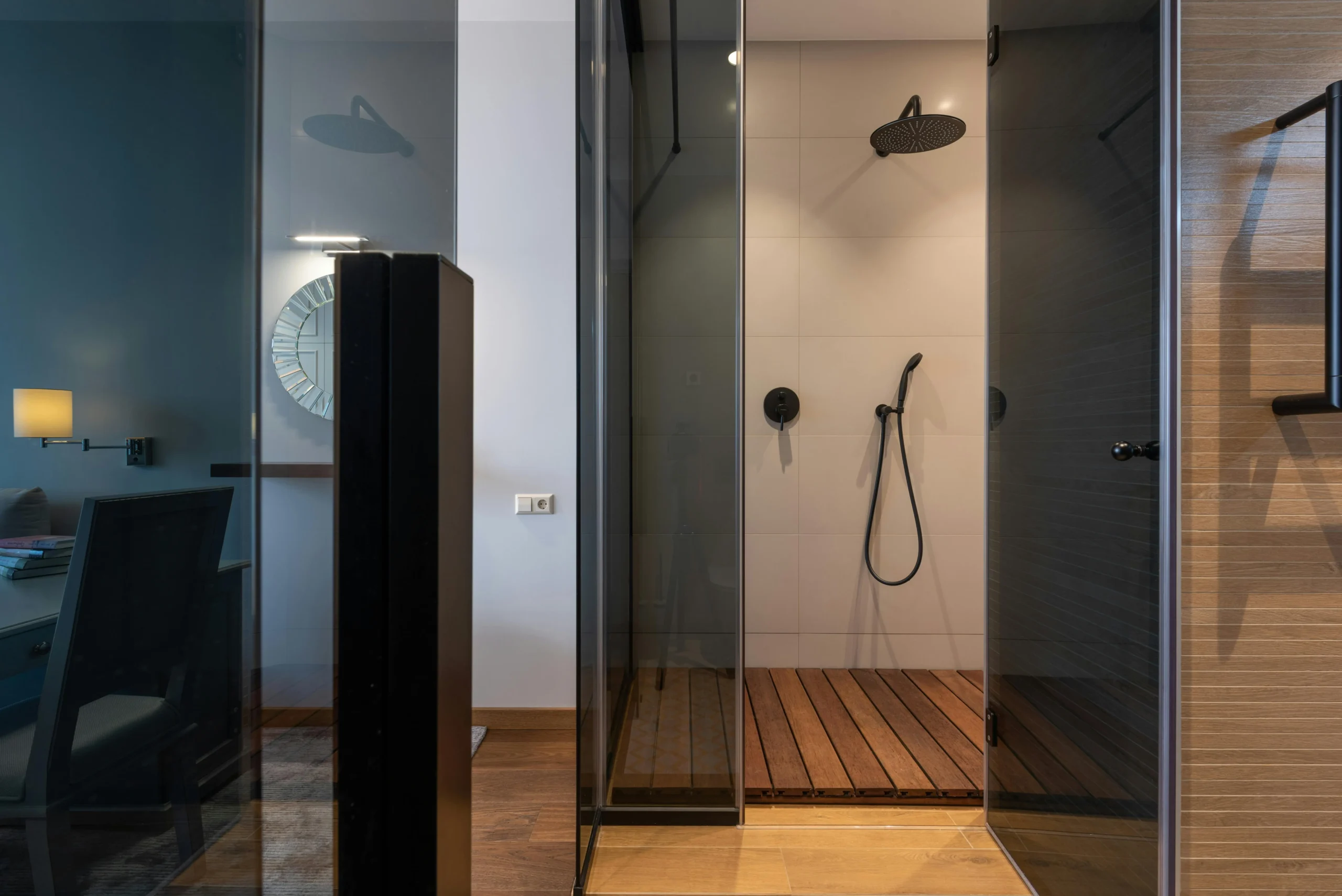
The cost of a new shower screen can range from under $1,000 to well over $4,000, and that wide price range is rarely accidental. In most cases, the final figure comes down to a handful of technical and design decisions rather than the tint alone. Tinted shower glass is often assumed to be a luxury upgrade that dramatically increases cost, but in reality, the colour plays a relatively small role compared to structural choices like door style, glass thickness, and enclosure size. Understanding how these factors work together helps you budget accurately and avoid surprises.
At RJG Group, we regularly guide homeowners through these decisions during bathroom renovations, helping them balance design preferences with performance, safety, and long-term value.
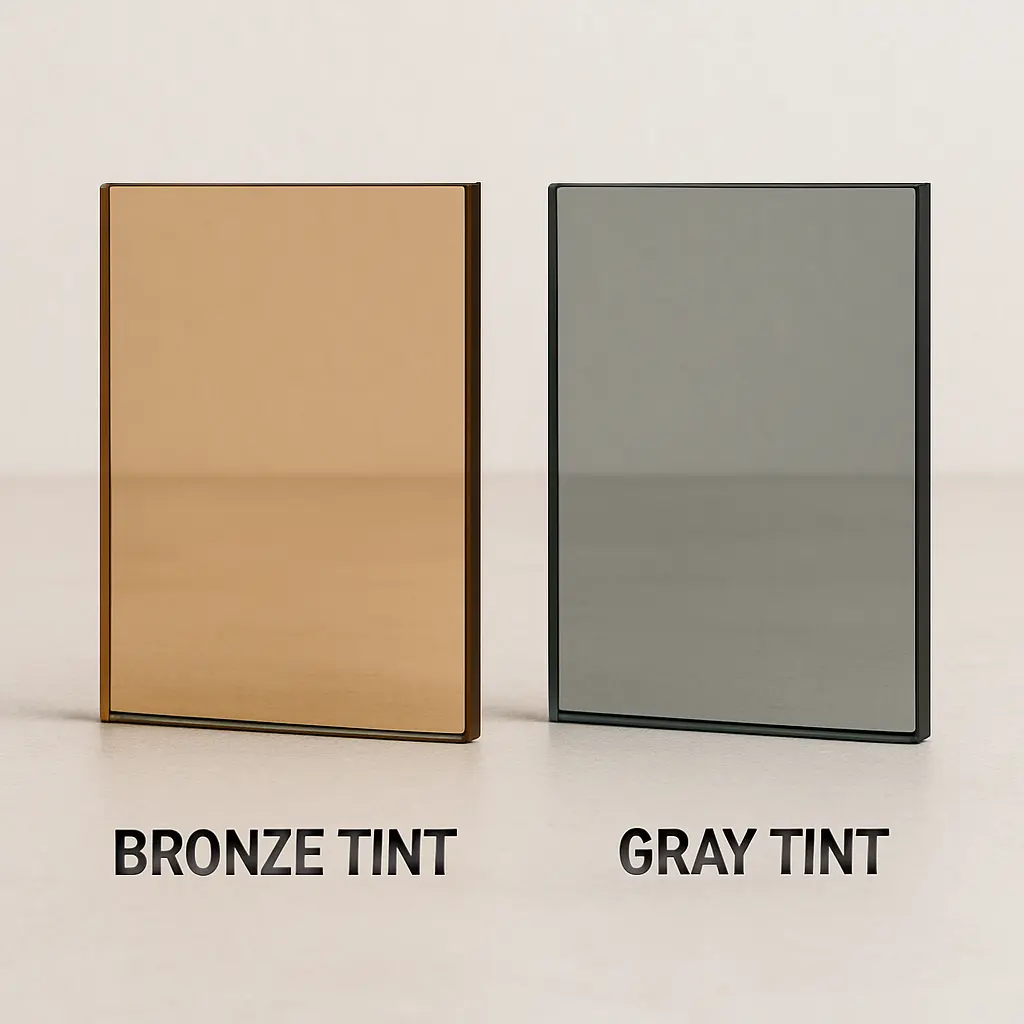
Tinted Shower Glass Colour Options: Bronze vs Grey vs Black
Choosing a tint is usually the first visual decision homeowners make, and it has a noticeable impact on the overall feel of a bathroom.
Bronze-tinted glass introduces a warm, translucent brown tone that pairs naturally with stone tiles, timber cabinetry, beige palettes, and brushed or oil-rubbed fixtures. It tends to soften light and create a more spa-like, intimate atmosphere, making it popular in classic and resort-style bathrooms.
Grey-tinted glass, sometimes called smoked glass, delivers a cooler charcoal look that works particularly well in modern and minimalist designs. It complements chrome fittings, matte black tapware, and crisp white or concrete-style finishes. Black-tinted options push this look even further, offering dramatic contrast while still allowing light to pass through.
From a pricing standpoint, these colour choices are largely neutral. Whether you select bronze, grey, or black, the cost difference between standard factory tints is minimal. The price increase comes from choosing a tint at all, rather than from selecting one colour over another. RJG Group advises clients to choose their tint based on design goals and lighting conditions, not cost concerns.
Privacy Considerations
One of the biggest reasons homeowners choose tinted glass is privacy without sacrificing light. Tinted shower glass slightly obscures visibility while maintaining transparency, making it ideal for shared or open-plan bathrooms.
Unlike frosted glass, which fully blurs shapes, tinted glass allows outlines and movement to remain visible. This balance works well for ensuites and main bathrooms where privacy is desired without creating a closed-in feel. In homes with limited natural light, grey or bronze tints can still preserve brightness far better than heavily frosted alternatives.
When specifying tinted glass, professional installers like RJG Group also consider lighting placement, wall colour, and tile reflectivity to ensure the final result feels intentional rather than overly dark.
Tinted Shower Glass Door Styles and Cost Impact
The single biggest factor affecting the total cost of a tinted shower enclosure is the door style. This choice dictates the type of glass required, the hardware used, and the complexity of installation.
Framed shower doors are the most budget-friendly option. A full metal frame supports the glass on all sides, allowing for thinner panels and simpler hardware. This makes framed systems durable and economical, though visually more traditional.
Semi-frameless designs sit in the middle. They usually include framing around fixed panels while leaving the door itself unframed. This approach offers a cleaner appearance without the full cost of a frameless system.
Frameless shower screens are the premium choice. They rely entirely on thick tempered glass and heavy-duty hinges for structural stability. This creates the popular floating-glass look but requires precise measurement, high-quality materials, and experienced installation. At RJG Group, frameless installations are always handled by licensed professionals to ensure compliance with Australian Standards and long-term safety.
Structural Safety
Structural integrity becomes increasingly important as framing is reduced. Frameless systems place more load on hinges, walls, and floors, which is why glass thickness and fixing methods matter.
Professionally installed systems follow guidelines set out by industry bodies and building regulations, ensuring that weight, swing clearance, and anchoring points are correctly engineered. RJG Group, whose work aligns with the standards expected of members of the Master Builders Association, prioritises safety and longevity over shortcuts that can lead to failure down the line.
Tinted Shower Glass Thickness and Pricing Differences
Glass thickness has a direct and measurable effect on cost. For modern bathrooms, most projects involve either 10mm (3/8-inch) or 12mm (1/2-inch) toughened safety glass.
Ten-millimetre glass is the industry standard and is suitable for the majority of framed and semi-frameless showers. It offers excellent strength, durability, and value.
Twelve-millimetre glass is heavier, stiffer, and visually more substantial. It’s often specified for large frameless panels or wide door spans where additional rigidity is required. This upgrade typically adds several hundred dollars to the overall project, reflecting increased material cost, handling requirements, and installation effort.
When combined with tinting and a frameless design, thicker glass can significantly increase the final price. RJG Group helps clients decide whether this upgrade delivers genuine functional benefits or is purely an aesthetic preference.
Tinted Shower Glass vs Frosted Glass Cost Comparison
Many homeowners compare tinted glass with frosted or acid-etched alternatives when privacy is a priority. From a cost perspective, the two options are surprisingly similar.
Both tinted and frosted glass generally add around 15% to 30% to the cost of clear glass panels. The difference lies in appearance and performance rather than budget. Tinted glass retains transparency and depth, while frosted glass diffuses light and completely obscures visibility.
Choosing between the two depends on how open you want the bathroom to feel and how much privacy is required, rather than on price alone.
Final Pricing Checklist for Tinted Shower Glass
Understanding where the money goes puts you in control of your renovation budget. The tint itself is rarely the main cost driver — structure, thickness, and size matter far more.
Before requesting a quote, consider the following:
-
Your preferred tint colour and overall bathroom style
-
Door type: framed, semi-frameless, or frameless
-
Glass thickness based on enclosure size and design
-
Accurate opening measurements
-
Hardware finish and hinge configuration
Having these answers ready allows professionals like RJG Group to provide clear, accurate pricing without guesswork.

If you’re planning a bathroom renovation or upgrading your shower enclosure and want advice tailored to your space, contact us at RJG Group. Our team is happy to walk you through options, pricing, and practical considerations so you can make confident decisions from the start.





 Defining Modern Excellence with Integrity


