
Welcome to the RJG Group blog—where smart design meets real-world functionality. Laundry rooms are often the most overlooked spaces in a home, yet they’re among the hardest-working. When poorly planned, they quickly become cluttered, inefficient, and frustrating to use. With the right layout, storage, and workflow, however, this space can become one of the most organised rooms in your home. This guide to Organising Your Laundry Room draws on proven design principles we apply daily across Sydney renovations to help you create a calmer, more efficient laundry that genuinely works for your household.
At RJG Group, we approach laundry design with the same discipline as bathrooms and kitchens—focusing on movement, storage logic, durability, and long-term usability. The following expert-backed strategies go beyond quick tidy-ups and instead introduce systems that hold up under daily use.
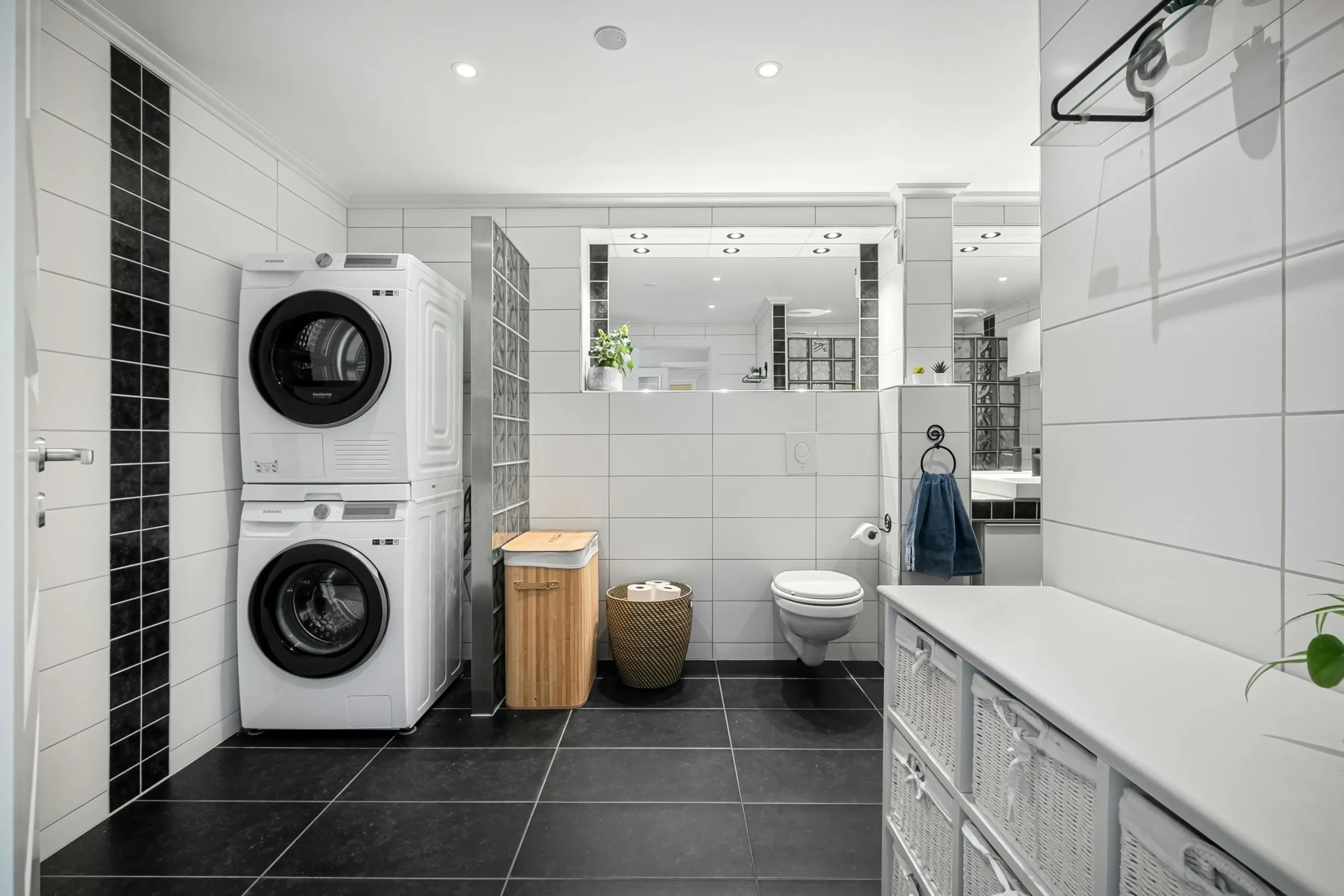
Organising Your Laundry Room Starts with Smart Sorting Zones
The foundation of an efficient laundry room is a clearly defined sorting area. Without one, clean and dirty items blend together, loads are mixed incorrectly, and laundry quickly becomes overwhelming.
Organising Your Laundry Room with Dedicated Sorting Areas
A dedicated sorting zone should be positioned as close as possible to your washing machine to reduce unnecessary movement. In compact laundries, vertical stacking baskets or slim pull-out hampers work well. In larger spaces, integrated under-bench sorting drawers create a seamless, built-in solution.
Best-practice sorting systems typically include:
-
Separate baskets for whites, colours, delicates, and heavily soiled items
-
Moisture-resistant, durable containers designed for wet environments
-
Clear labelling so everyone in the household follows the same system
Encouraging all family members to sort laundry at the source dramatically reduces bottlenecks. When sorting becomes habitual, washing becomes faster, more accurate, and far less stressful.
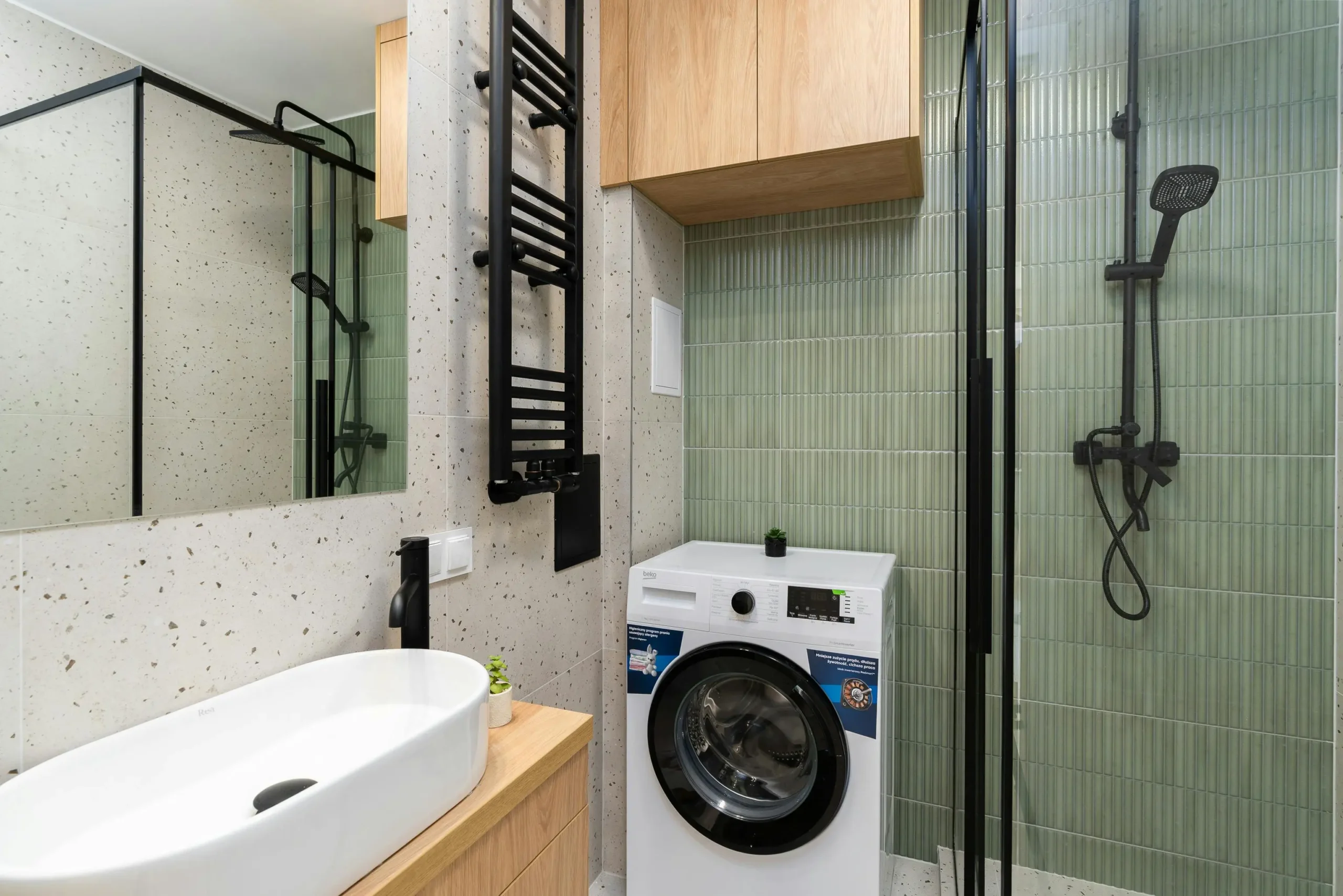
Organising Your Laundry Room with Purpose-Built Storage Solutions
Storage is where many laundry rooms fall short. Insufficient or poorly planned storage leads to cluttered benches, overcrowded cupboards, and inefficient use of space.
Organising Your Laundry Room Using Vertical and Hidden Storage
The most effective laundries maximise vertical space. Wall-mounted shelving above appliances keeps frequently used products visible and within reach, while enclosed cabinetry conceals bulkier or visually distracting items.
Professional storage principles we apply in real renovations include:
-
Open shelving for everyday essentials such as detergents and stain removers
-
Closed cabinets for chemicals, cleaning supplies, and spare items
-
Grouped storage using baskets or containers to avoid loose clutter
-
Wall hooks or racks for ironing boards, brooms, and reusable bags
This approach keeps floors clear, improves circulation, and creates a more spacious feel—even in narrow or galley-style laundries. These same storage strategies are commonly used in high-end bathroom and kitchen designs to balance function with visual calm.
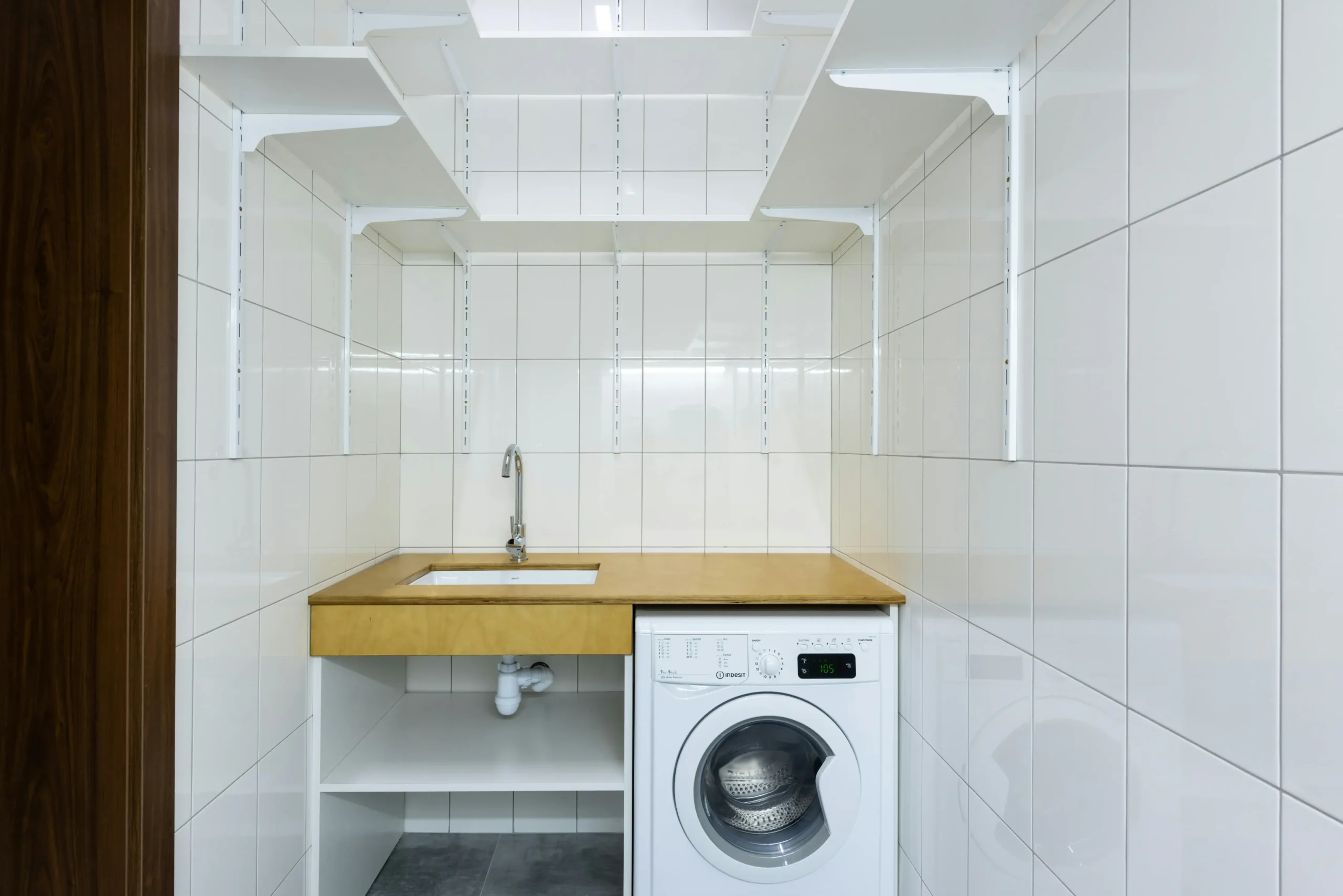
Organising Your Laundry Room with Efficient Workstations
A truly functional laundry doesn’t end with washing and drying. Folding, ironing, and storing clean clothes are equally important steps that require thoughtful planning.
Organising Your Laundry Room Through Folding and Ironing Zones
Positioning a folding bench or countertop directly beside the dryer allows clothes to be folded immediately, reducing wrinkles and preventing clean laundry from piling up elsewhere in the home. Even a modest bench can significantly improve efficiency.
For ironing, wall-mounted boards are ideal for smaller laundries, while portable boards suit larger layouts. Nearby shelving or cabinetry should be allocated for clean linens, towels, and folded clothing, ensuring everything can be put away in one continuous workflow.
From a construction and compliance perspective, laundries—like bathrooms—benefit from being designed and built by professionals familiar with industry standards recognised by organisations such as the master builders association. This ensures layouts are not only practical, but also built to last.
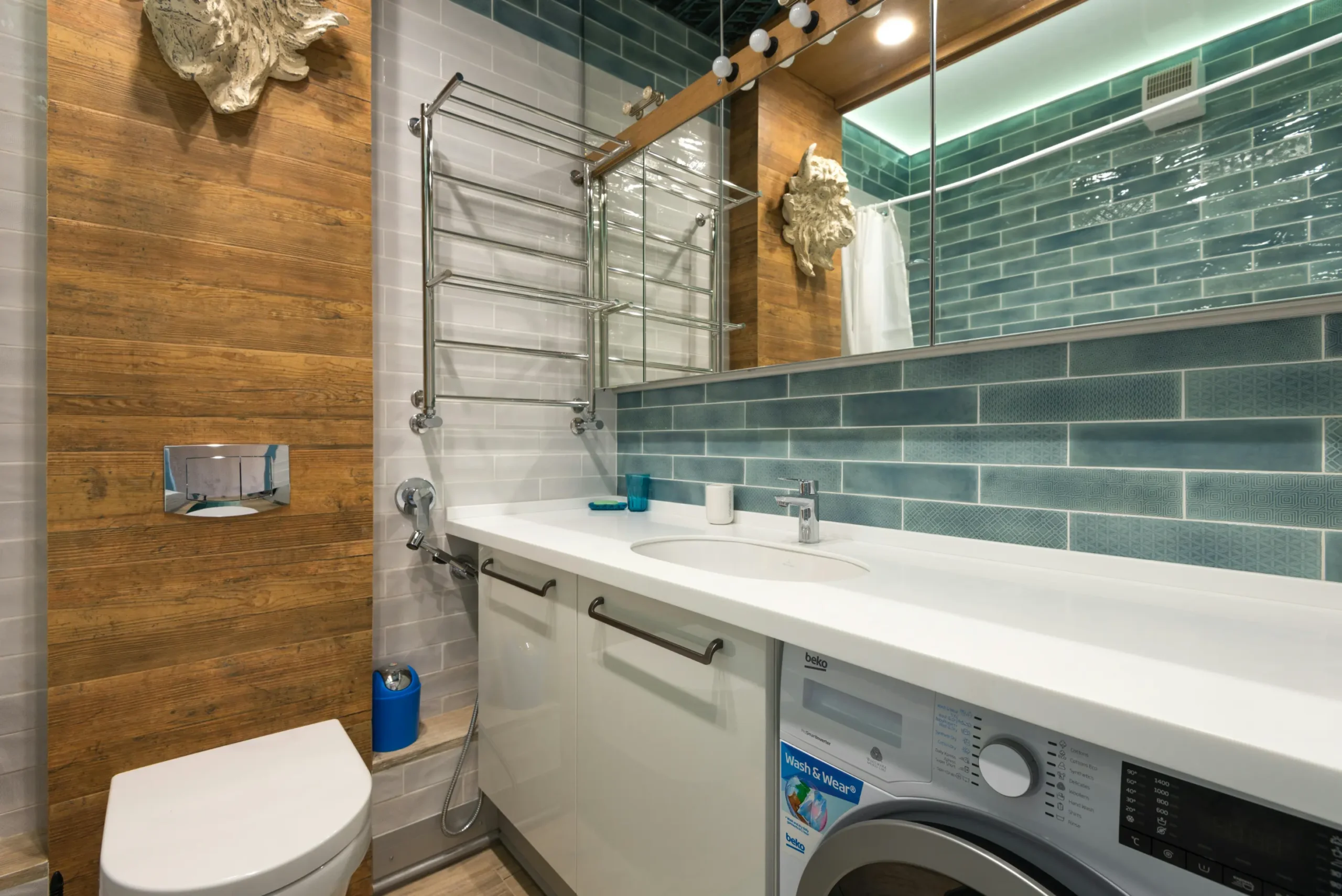
Small Systems That Prevent Everyday Frustration
Beyond major zones, small organisational systems often deliver the biggest day-to-day benefits.
A simple but highly effective example is a clearly designated “Lost and Found” basket. Items discovered during washing—coins, keys, jewellery, or small toys—can be placed in one consistent location instead of being left on benches or inside machines. A quick weekly check keeps belongings circulating back to their owners and helps protect appliances from damage.
Why an Organised Laundry Adds Long-Term Value
A well-organised laundry room improves more than convenience. It supports better hygiene, protects appliances, saves time, and reduces household stress. When layout, storage, and workflow are designed together, laundry becomes a controlled process rather than a recurring problem.

At RJG Group, we apply the same level of planning and quality control to laundries as we do to bathrooms and kitchens—because every space in your home should function efficiently and age well. Whether you’re planning a full renovation or refining an existing layout, expert design input makes a measurable difference.
A calm, efficient laundry isn’t a luxury—it’s a smart investment in how your home works every single day. Contact RJG Group today to get started.





 Defining Modern Excellence with Integrity


