
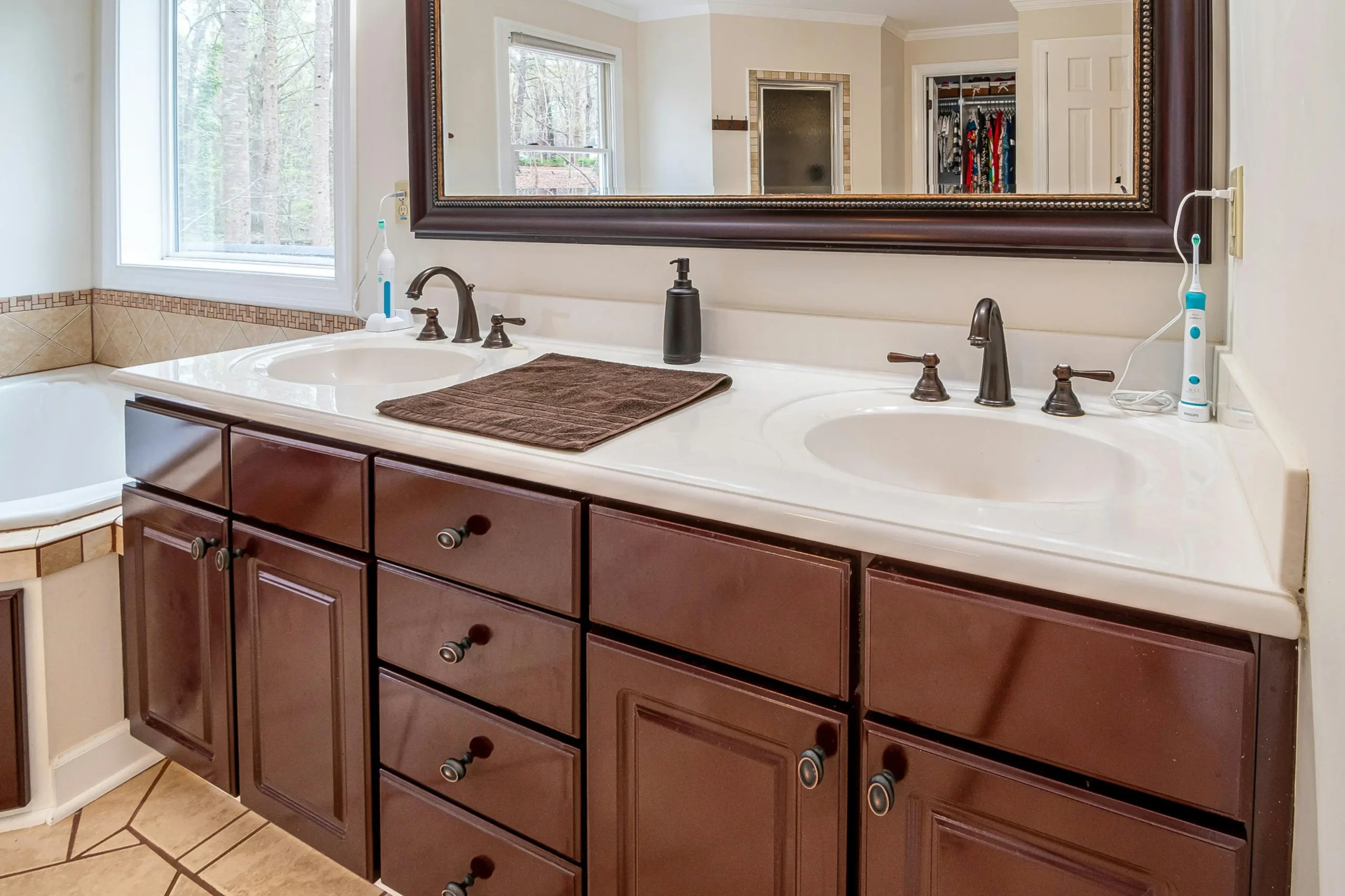
You’re scrolling online for a new bathroom vanity, see one for $350, and then find another that looks almost identical for $2,800. Are you missing something? In most cases, yes—but it’s not obvious from photos alone. The real difference usually comes down to construction quality, durability, and long-term performance. Understanding bathroom vanity material cost helps explain why two similar-looking vanities can live at completely different ends of the price spectrum. Once you know what’s behind the finish, you can shop with confidence instead of guessing.
Below is a clear, expert-backed breakdown used by professional builders and renovation specialists, including teams like RJG Group, to help homeowners choose the right vanity for their space and budget.
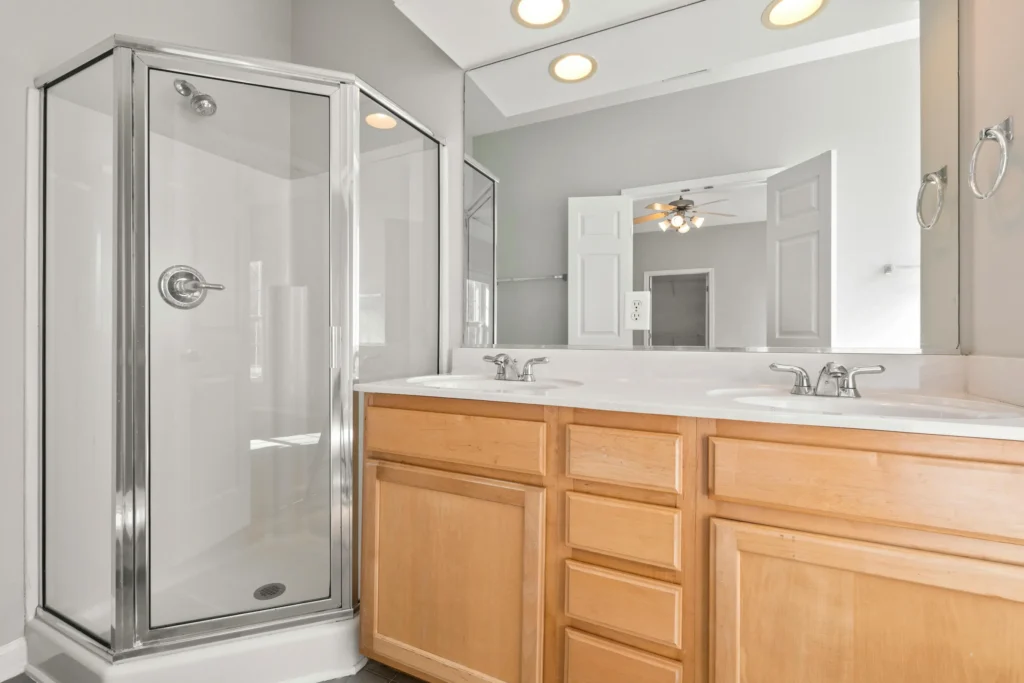
Bathroom Vanity Material Cost: Cabinet Construction Explained
The cabinet box is the structural backbone of your vanity. It determines how well the unit handles humidity, daily use, and years of opening and closing drawers. This is where price differences begin to make sense.
Particleboard Cabinets (Budget Tier)
Typical price range: $200–$500
Particleboard is made from compressed wood chips bonded with resin. It’s commonly used in entry-level, mass-produced vanities because it keeps costs low. However, it has a major drawback: moisture sensitivity. Even minor water exposure from plumbing leaks or splashes can cause swelling, crumbling, or permanent damage.
Particleboard vanities are best suited for temporary upgrades, rental properties, or very low-use bathrooms where longevity is not a priority.
Pros
- Lowest upfront cost
- Widely available in big-box stores
Cons
- Poor moisture resistance
- Short lifespan in real bathroom conditions
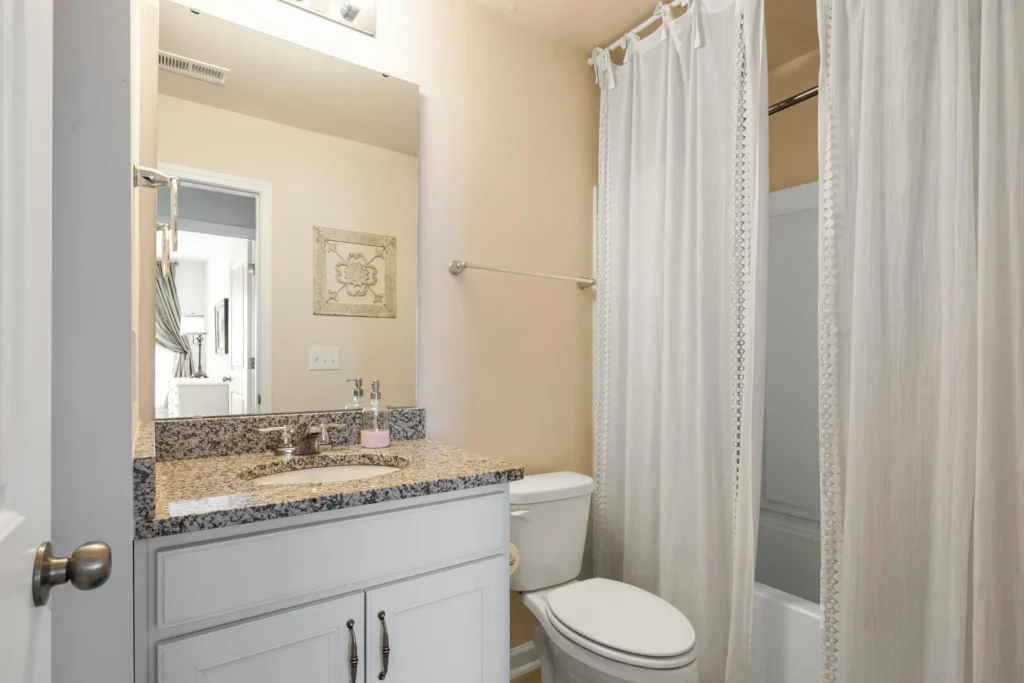
MDF vs Plywood Performance
Mid-range and high-end vanities often look similar on the outside, but their internal construction tells a very different story.
Bathroom Vanity Material Cost: MDF Cabinets (Mid-Range Tier)
Typical price range: $500–$1,200
MDF (medium-density fiberboard) is denser and more stable than particleboard. It offers a smooth surface that holds paint exceptionally well, making it a popular choice for clean, modern designs. When properly sealed, MDF performs reliably in bathrooms with moderate humidity.
Professionally built MDF vanities—like those frequently specified by RJG Group for powder rooms—strike a strong balance between cost and appearance.
Pros
- Smooth, paint-ready finish
- More durable than particleboard
- Good value for guest or secondary baths
Cons
- Still vulnerable to standing water
- Not ideal for long-term heavy moisture exposure
Bathroom Vanity Material Cost: Plywood & Solid Wood Cabinets (Premium Tier)
Typical price range: $1,200+
Furniture-grade plywood is widely considered the gold standard for bathroom cabinetry. Its cross-laminated layers resist warping and moisture far better than MDF or particleboard. Solid wood is often used for doors and drawer fronts, adding durability and refinishing potential decades down the line.
High-quality builders—including those aligned with standards similar to the Master Builders Association—often recommend hybrid construction: plywood boxes paired with solid wood fronts. RJG Group frequently uses this approach to maximize lifespan without unnecessary cost inflation.
Pros
- Excellent moisture resistance
- Long service life
- Strong resale value impact
Cons
- Higher upfront investment
Bathroom Vanity Material Cost: Countertops, Size, and Hidden Add-Ons
Cabinet material isn’t the only factor influencing final price. Countertops, size, and how the vanity is packaged all play a major role.
Countertop Material Impact
Most stock vanities include cultured marble countertops. These are molded, non-porous, and cost-effective. However, upgrading to quartz or granite significantly increases total cost—sometimes exceeding the price of the cabinet itself.
Quartz remains a top recommendation from RJG Group because it offers:
- High moisture resistance
- Low maintenance
- Consistent appearance without sealing
Natural stone adds visual character but also introduces long-term maintenance costs that many homeowners overlook.
Size and Configuration
A 24-inch single-sink vanity and a 60-inch double-sink vanity are not just different in width. Larger units require:
- More cabinet material
- Larger countertop slabs
- Additional sinks and plumbing
These factors compound quickly, making size one of the most predictable—but impactful—cost drivers.
All-in-One vs Modular Vanities
All-in-one vanity kits bundle the cabinet, countertop, and sink. They’re usually the most budget-friendly and easiest to install. Modular setups—where the cabinet and countertop are purchased separately—offer more design flexibility but almost always increase cost and planning complexity.
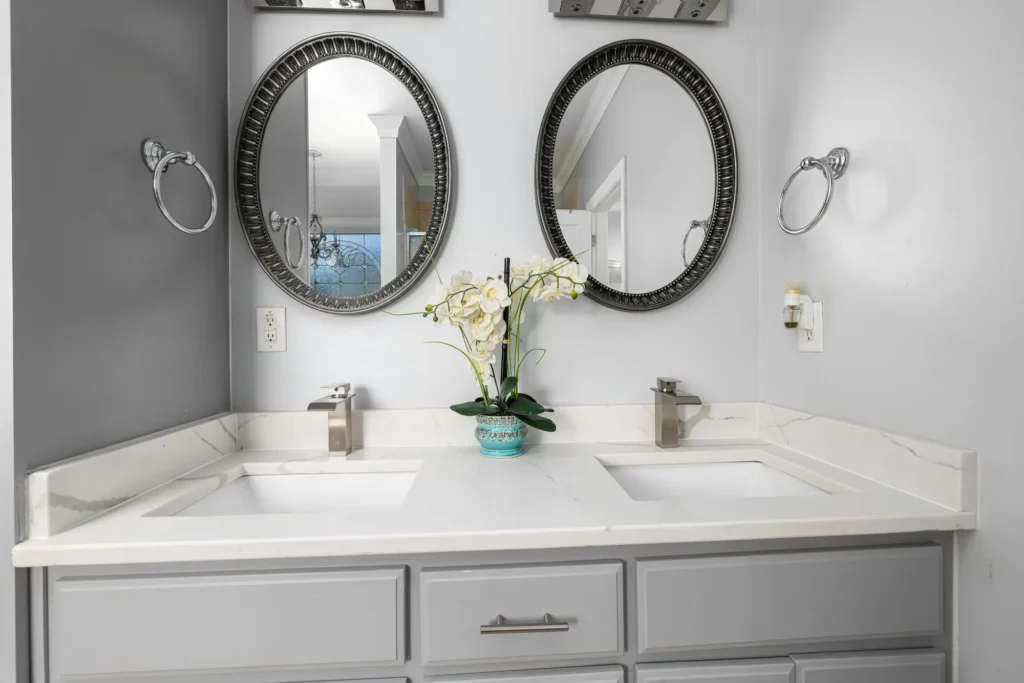
Planning the True Cost of Your Vanity
To avoid surprises, factor in:
- Faucet and drain hardware
- Plumbing adjustments
- Installation labor
Professionals at RJG Group often advise homeowners to look beyond the shelf price and evaluate the full system. This approach leads to better budgeting, fewer compromises, and a finished bathroom that performs as well as it looks.
Ready to Choose the Right Vanity?
Understanding materials transforms vanity shopping from guesswork into informed decision-making. Whether you’re upgrading a powder room or building a forever bathroom, expert guidance makes the process smoother from start to finish.
 If you want help selecting materials, optimizing value, and ensuring proper installation, contact us at RJG Group. We’re here to help you build something that lasts—and looks right doing it.





 Defining Modern Excellence with Integrity


