

A momentary slip on a wet bathroom floor is more than just unsettling—it’s a reminder that flooring safety is a critical design decision. Choosing non slip bathroom tiles is one of the most effective ways to reduce fall risk while still achieving a refined, modern bathroom aesthetic. Today’s tile technology allows homeowners to balance safety, durability, and visual appeal without compromise.
Modern bathrooms are no longer utilitarian spaces; they’re places of comfort and retreat. Fortunately, advances in tile manufacturing mean you no longer have to choose between a sleek design and secure footing. With the right materials, finishes, and specifications, safety can be built directly into the floor itself rather than added as an afterthought.
This guide explains how non-slip tiles work, the standards that define safety, and how professionals such as RJG Group help homeowners select flooring that performs reliably in wet environments.
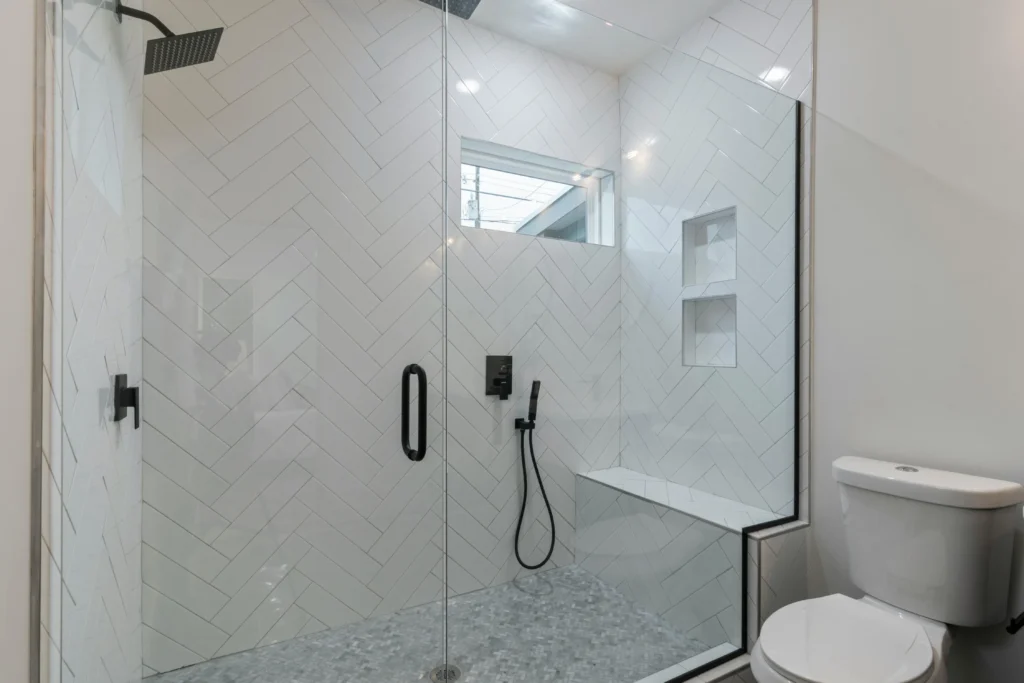
Non Slip Bathroom Tiles: How Texture and Finish Improve Safety
The surface finish of a tile is the first and most important factor in slip resistance. While polished tiles reflect light beautifully, they offer very little traction once water is introduced.
Why Matte and Textured Finishes Matter
Matte and textured tiles have microscopic surface variations that create friction underfoot. This texture disrupts the thin layer of water that causes slipping, allowing your foot to maintain contact with the surface. You can often feel this difference immediately—textured tiles feel slightly grainy rather than glass-smooth.
Professionals at RJG Group consistently recommend matte or lightly textured finishes for bathroom floors, particularly in households with children, older adults, or mobility concerns.
Where Polished Tiles Still Work
Polished tiles still have a place in bathrooms—just not on the floor. They perform well on walls, feature panels, and splashbacks where slip risk is irrelevant. Keeping polished finishes vertical and textured finishes horizontal is a fundamental safety principle followed by experienced renovators.
Permanent Safety vs Temporary Coatings
Some homeowners consider anti-slip coatings as a retrofit solution. While these can help temporarily, they wear down over time and require reapplication. In contrast, non-slip tiles provide built-in, long-term traction that doesn’t degrade with normal use—making them a more reliable solution.
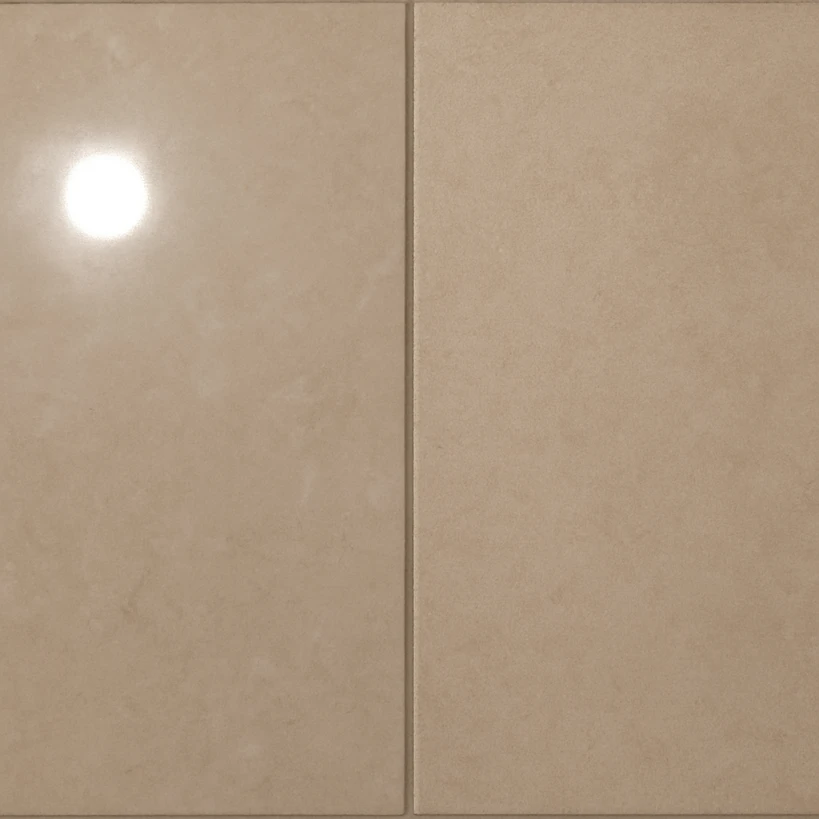
Non Slip Bathroom Tiles: Tile Size, Material, and Wet-Area Performance
Beyond surface finish, tile size and material composition play a major role in how safe a bathroom floor feels in daily use.
Why Smaller Tiles Increase Grip
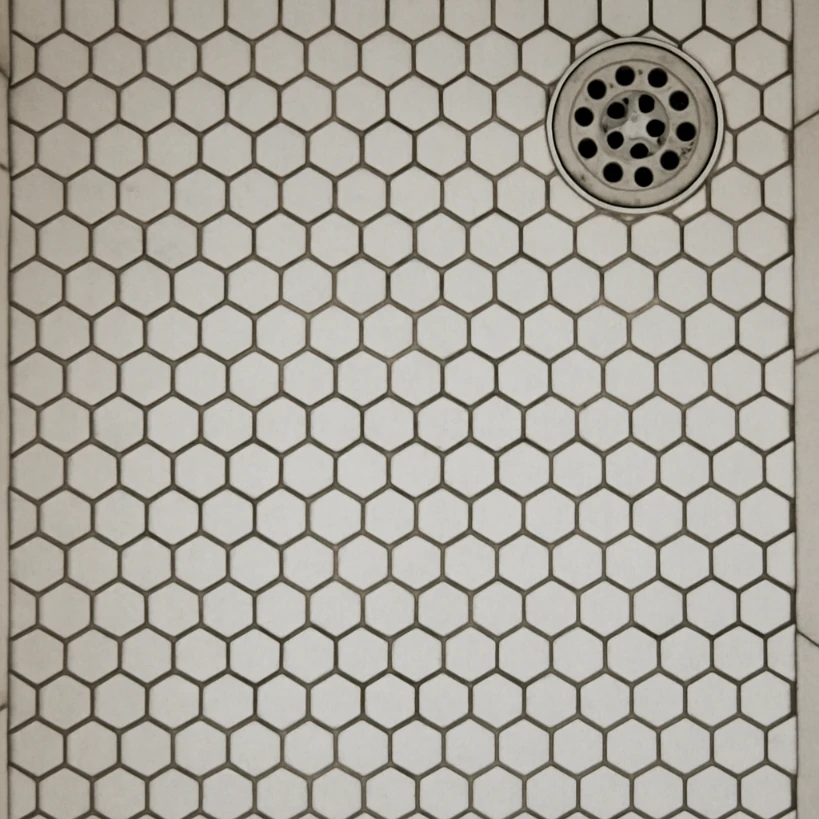
Smaller tiles introduce more grout lines across the floor. Each grout line adds a subtle ridge that increases traction. This is why mosaic tiles are the industry standard for shower floors—they provide continuous grip in the wettest zone of the bathroom.
Designers working with RJG Group often recommend smaller-format tiles in high-risk areas while reserving large-format tiles for drier spaces.
Porcelain vs Ceramic for Bathrooms
Porcelain tiles are denser and less porous than ceramic tiles. This means they absorb less water and maintain consistent surface friction even in steamy conditions. For bathroom floors, porcelain is widely regarded as the superior material.
Ceramic tiles remain suitable for walls, but on floors—especially in showers—porcelain offers better durability, water resistance, and long-term safety.
Matching Style with Function
Modern porcelain tiles are available in stone-look, concrete-look, and timber-look finishes. This allows homeowners to achieve contemporary designs without sacrificing slip resistance. A safe floor no longer has to look utilitarian.
Non Slip Bathroom Tiles: Understanding DCOF Ratings and Safety Standards
Visual inspection alone isn’t enough to guarantee slip resistance. Fortunately, there is a measurable standard that removes guesswork.
Non Slip Bathroom Tiles: What the DCOF Rating Means
The Dynamic Coefficient of Friction (DCOF) measures how much traction a tile provides when wet. According to ANSI standards, a tile intended for wet walking surfaces should have a DCOF rating of 0.42 or higher.
Tiles that meet or exceed this value are considered suitable for bathroom floors.
Non Slip Bathroom Tiles: How Professionals Use DCOF in Selection
Reputable installers don’t rely on appearance alone. RJG Group evaluates tile specifications, manufacturer data, and intended use before making recommendations. This approach aligns with best practices recognised across the industry, including those upheld by the master builders association.
Non Slip Bathroom Tiles: Cleaning, Maintenance, and Longevity
Textured tiles can retain slightly more residue than polished surfaces, but maintenance is straightforward. Using a pH-neutral cleaner and a soft brush periodically keeps the surface clean without reducing traction. The minor upkeep is a small trade-off for a safer floor.
Choosing Safety Without Sacrificing Style
A well-chosen bathroom floor protects everyone who uses the space—without calling attention to itself. When texture, material, size, and safety ratings work together, the result is a floor that feels secure, looks refined, and performs reliably for years.
Homeowners who work with RJG Group benefit from guidance that considers real-world use, not just showroom appeal. From selecting the right tile to ensuring correct installation, each decision contributes to long-term safety and satisfaction.
Ready to Choose the Right Bathroom Flooring?
If you’re planning a bathroom upgrade and want confidence in both safety and design, professional advice makes all the difference. The right tile choice today can prevent accidents tomorrow.

Contact us at RJG Group to discuss non-slip bathroom tile options and get expert guidance tailored to your space and lifestyle.





 Defining Modern Excellence with Integrity


