

You felt it, didn’t you? That slight give underfoot, or the soft spot near the shower that shouldn’t be there. A sinking bathroom floor creates instant concern—and for good reason. Knowing how to repair a bathroom floor starts with understanding what that feeling really means and how serious the issue might be.
A spongy or uneven bathroom floor doesn’t always signal a worst-case scenario, but it is never something to ignore. In many homes, water damage develops slowly and silently beneath tile, vinyl, or laminate flooring. This guide walks you through the early warning signs, explains how professionals evaluate the damage, and helps you confidently decide when it’s time to call in experts like RJG Group for a long-term solution.
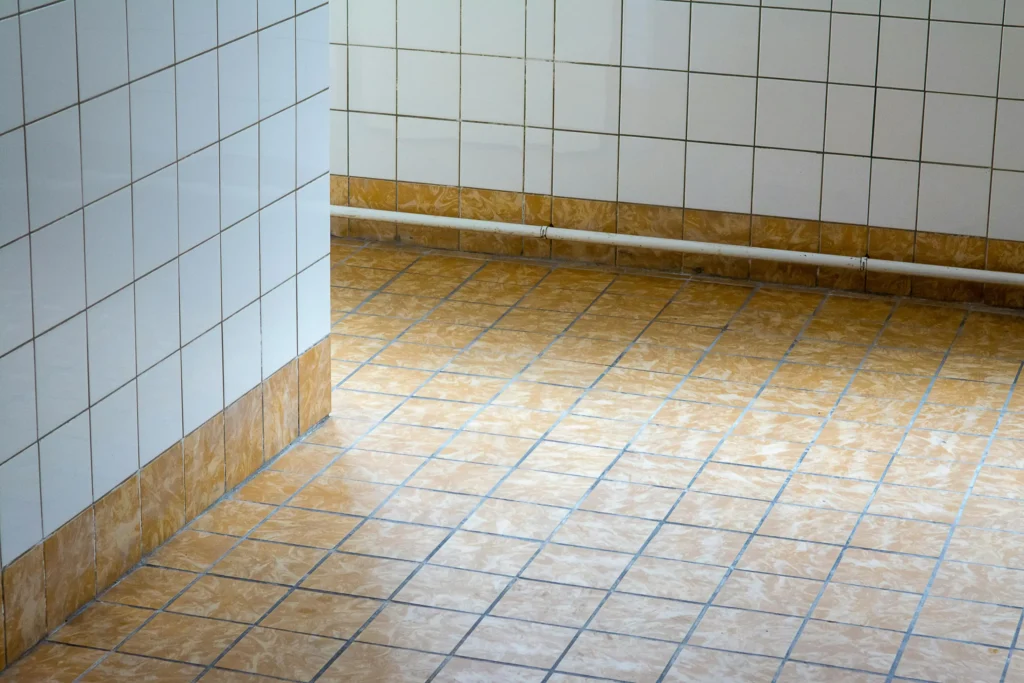
How to Repair a Bathroom Floor: Identifying Early Warning Signs
Bathroom floor damage almost always begins out of sight. Long before visible cracks or missing tiles appear, moisture can seep into layers below the surface. The key to limiting repair costs is recognizing subtle signals early.
The Press-and-Listen Test
One of the simplest ways to detect a problem is the press test. Wearing firm shoes, apply pressure around the toilet base, tub edges, and vanity. A solid floor should not flex. If it feels soft or spongy, moisture has likely compromised the underlayment or subfloor.
Listen carefully as well. Creaking, cracking, or squishing sounds often indicate trapped moisture breaking down wood fibers underneath the finished surface.
How to Repair a Bathroom Floor: Visual and Sensory Clues
Examine grout lines closely. Crumbling grout, loose tiles, or dark discoloration can signal moisture intrusion below. Vinyl flooring may bubble, peel, or lift at the seams.
Your sense of smell also matters. A persistent musty odor that returns shortly after cleaning is a strong indicator of hidden water damage. These signs suggest it’s time for a deeper inspection before the issue spreads.
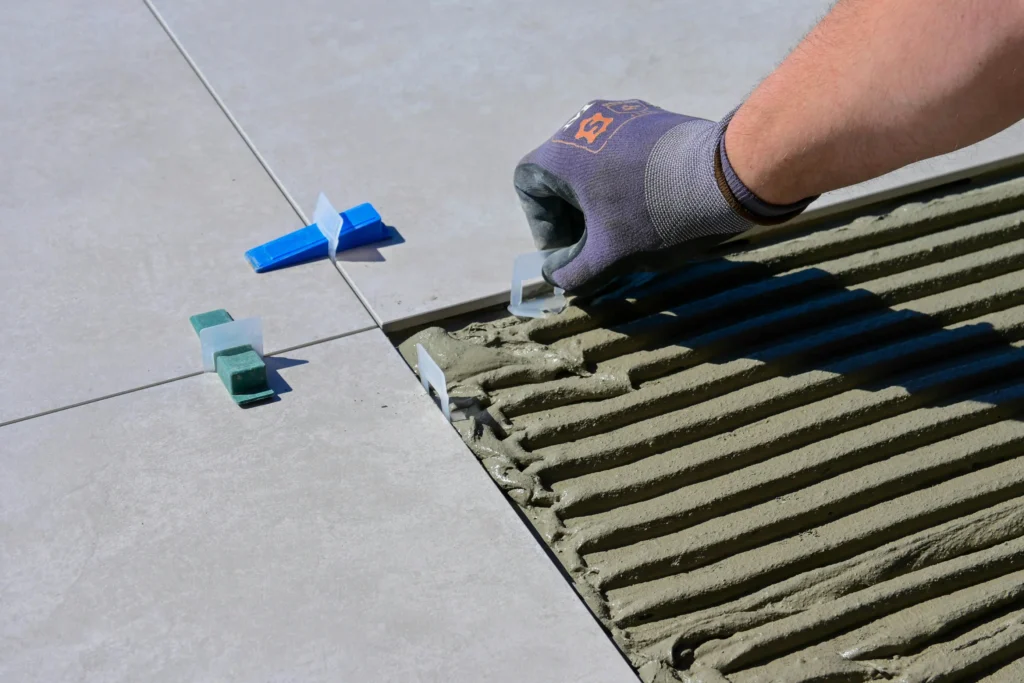
Understanding What’s Underneath
A bathroom floor is a layered system, and effective repairs depend on knowing which layer has failed. Treating only the surface without addressing deeper damage leads to repeat failures.
Flooring, Underlayment, and Subfloor Explained
Most bathroom floors consist of three layers. The visible surface—tile, vinyl, or laminate—sits on top of underlayment, a thinner sheet designed to create a smooth base. Beneath that lies the subfloor, the structural component that supports everything above it.
Minor moisture issues may only affect the underlayment. However, once water reaches the subfloor, repairs become structural. Damaged subfloor panels lose strength, making it unsafe to simply cover them with new flooring.
When Structural Repairs Are Required
If the subfloor wood appears dark, crumbly, or soft, it must be removed and replaced. In more advanced cases, moisture can reach the floor joists, requiring additional reinforcement or replacement.
Professional contractors follow building standards recognized by organizations like the master builders association, ensuring repairs restore structural integrity—not just cosmetic appeal. This is where experienced teams like RJG Group provide significant value.
How to Repair a Bathroom Floor: When to Call RJG Group
Some repairs are manageable for skilled homeowners, but others demand professional intervention. Knowing where that line is protects both your safety and your investment.
Clear Signs You Need Professional Help
You should involve professionals immediately if:
-
The soft area extends beyond a small localized spot
-
The toilet rocks or shifts when pressure is applied
-
The subfloor shows visible rot, mold, or deterioration
-
Floor joists are affected, indicating structural compromise
Attempting DIY repairs in these scenarios often leads to recurring damage and higher long-term costs.
Why Homeowners Trust RJG Group
RJG Group specializes in diagnosing hidden water damage, performing precise subfloor repairs, and restoring bathroom floors correctly the first time. Their process focuses on identifying the moisture source, removing all compromised materials, and rebuilding the floor to meet structural and safety standards.
Homeowners choose RJG Group not just for repairs, but for clarity, workmanship, and confidence that the problem has been fully resolved—not covered up.
Taking the Next Step Toward a Solid, Safe Bathroom Floor
Bathroom floor issues rarely fix themselves. Left untreated, small leaks turn into structural repairs, higher costs, and potential health concerns. A professional assessment helps you understand the true condition of your floor and prevents unnecessary guesswork.

If you suspect water damage, soft spots, or structural issues, Contact us at RJG Group to schedule an evaluation. Our experienced team will help restore your bathroom floor so it’s solid, secure, and built to last.





 Defining Modern Excellence with Integrity


