

So, how much does a kitchen island really cost in Australia? If you’ve admired statement kitchens on renovation shows and then been shocked by quotes ranging from $2,000 to well over $25,000, you’re not alone. The wide gap exists because kitchen island cost isn’t a single fixed price—it’s the result of layered decisions around size, materials, finishes, and trades. Once you understand those layers, the numbers become far more predictable.
This guide breaks down real-world pricing using industry-backed knowledge, the same approach professional builders and renovators use to plan accurately. You’ll see where your money actually goes, what drives costs up fastest, and how to budget with confidence—without unpleasant surprises mid-project.
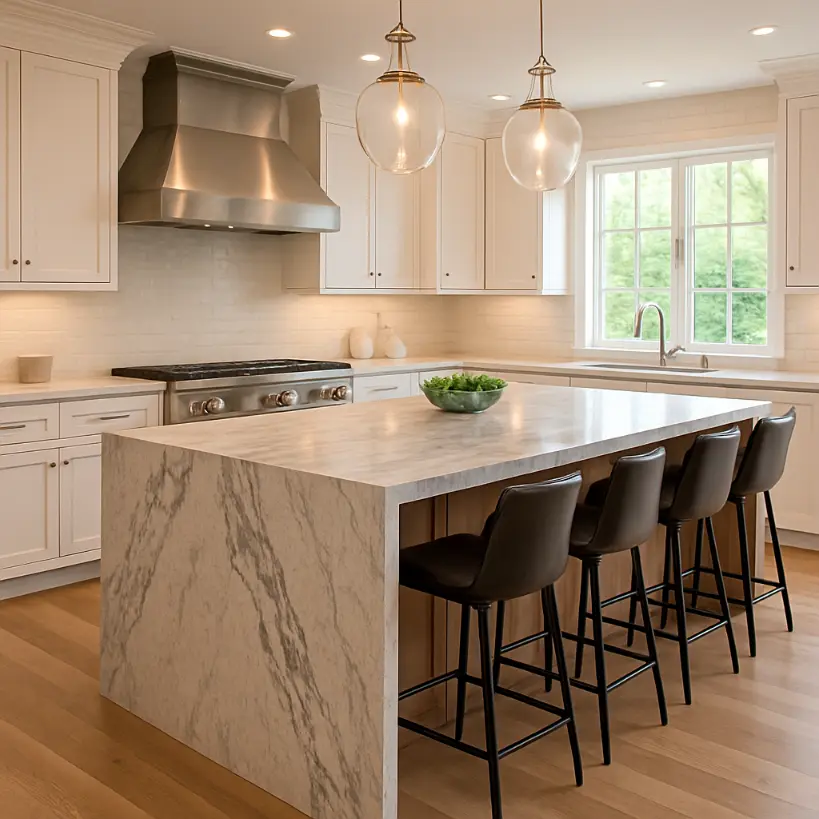
Kitchen Island Cost by Type: Budget, Mid-Range & Custom Options
Most kitchen islands in Australia fall into three broad categories. Understanding these tiers is the fastest way to anchor your budget before diving into finishes and features.
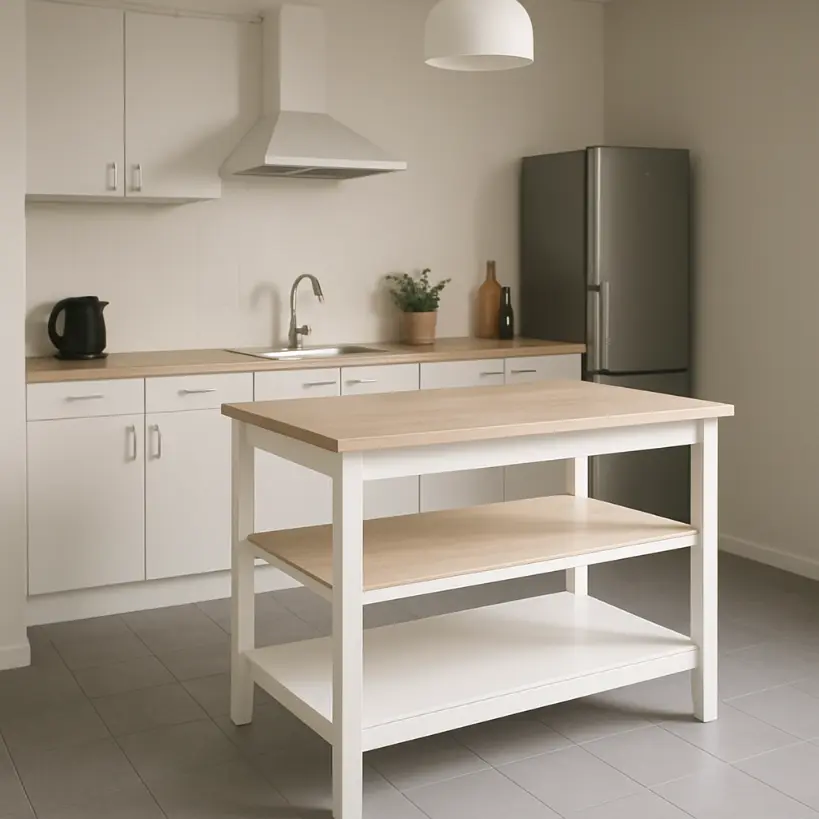
Flat-Pack & Budget Islands
Flat-pack islands are the most affordable entry point and are widely used in apartments, rentals, and modest renovations. These typically involve off-the-shelf cabinets paired with a standard benchtop and are either DIY-installed or assembled by a handyman.
-
Typical price range: $1,000–$4,000
-
What’s included: Cabinet carcass, basic doors, laminate benchtop
-
Limitations: Fixed sizes, limited finishes, minimal customisation
This option delivers functionality at a low cost, but design flexibility is restricted. Builders like RJG Group often recommend flat-pack islands where budget control is the primary driver rather than visual impact.
Semi-Custom & Custom Builds
Once you move beyond flat-pack, pricing increases quickly—but so does flexibility. Semi-custom islands typically use standard cabinet internals with upgraded doors, layouts, and benchtops. Fully custom islands are built from scratch by cabinet makers.
-
Semi-custom: $5,000–$12,000
-
Full custom: $12,000–$25,000+
Custom pricing reflects tailored dimensions, integrated seating, reinforced structures, and premium finishes. RJG Group regularly sees homeowners underestimate this tier because they focus on the cabinetry, not the downstream costs like stone fabrication and trade coordination.
Kitchen Island Cost Drivers: Benchtops, Cabinets & Features
While cabinetry sets the structure, the benchtop is the single biggest price driver. Changing the benchtop alone can alter your total spend by several thousand dollars.
Impact of Benchtop Materials
Benchtops generally fall into three pricing bands:
-
Laminate: From ~$500 per slab
-
Budget-friendly and visually versatile
-
Limited heat and scratch resistance
-
-
Engineered stone: From ~$2,500 per slab
-
Strong, stain-resistant, low maintenance
-
Most popular choice for Australian family kitchens
-
-
Natural stone or porcelain: $5,000+ per slab
-
Premium appearance
-
Porcelain offers extreme durability; natural stone may require sealing
-
From a value perspective, engineered stone consistently delivers the best balance between cost, durability, and resale appeal—something renovation professionals aligned with the master builders association frequently recommend.
Seating, Storage & Power
Features built into the island can quietly inflate the budget:
-
Seating overhangs require structural reinforcement
-
Deep drawers and pull-out storage cost more than standard cupboards
-
2-pack cabinetry finishes significantly increase cabinet pricing
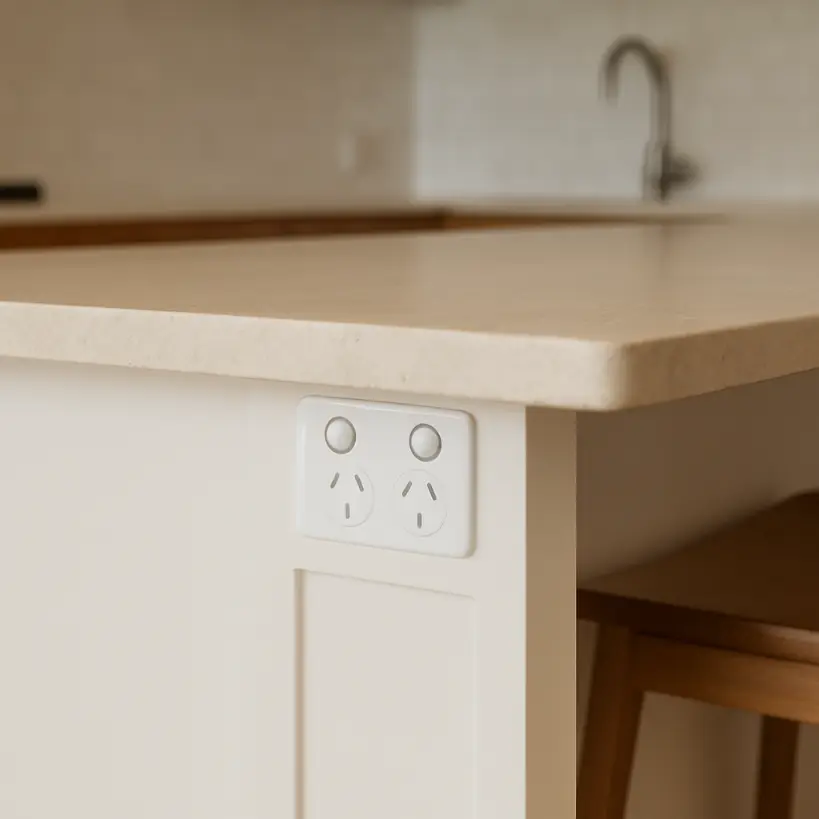
Electrical and plumbing inclusions are another major variable. Adding power points typically costs $300–$800 depending on access. Integrating a sink or dishwasher often exceeds $1,000 once plumbing labour is included. RJG Group advises clients to decide early whether the island is furniture—or a fully serviced workstation.
Installation & Trade Expenses Explained
Even with materials chosen, labour is where many budgets stretch. Installation isn’t a single line item; it’s the coordination of multiple licensed trades.
Cabinet, Electrical & Plumbing Labour
Here’s how installation costs typically break down:
-
Cabinet installation: $500–$2,000
-
Electrical work: $300–$800+
-
Plumbing work: $500–$1,500+
Costs depend heavily on access. Islands installed over concrete slabs are more expensive to service than those over raised timber floors. Experienced builders like RJG Group account for these variables upfront, rather than treating them as “extras” later.
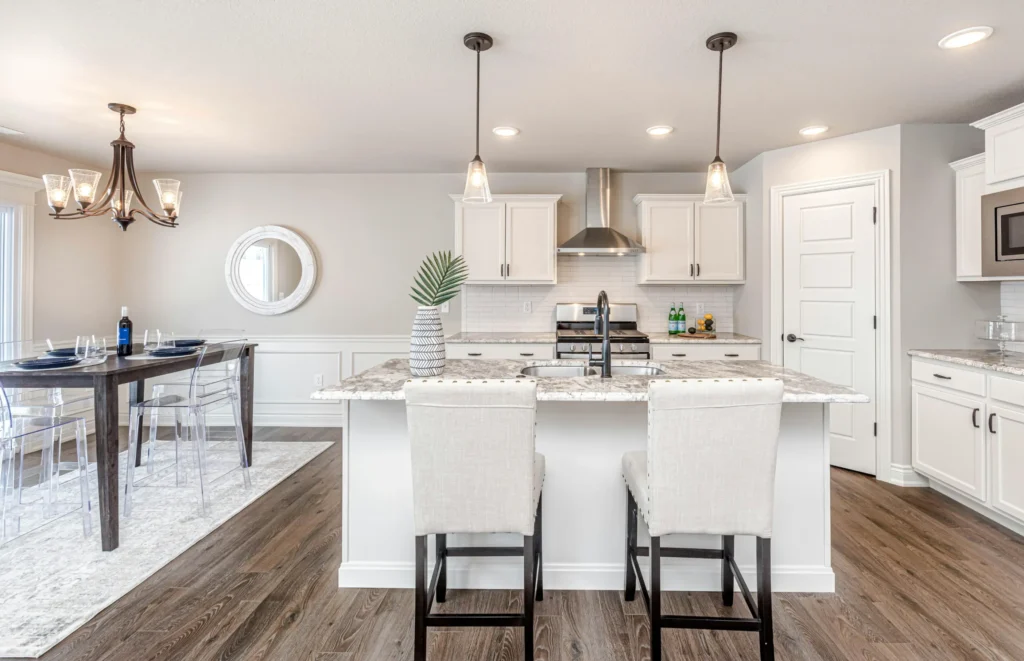
Real-World Kitchen Island Cost Examples in Australia
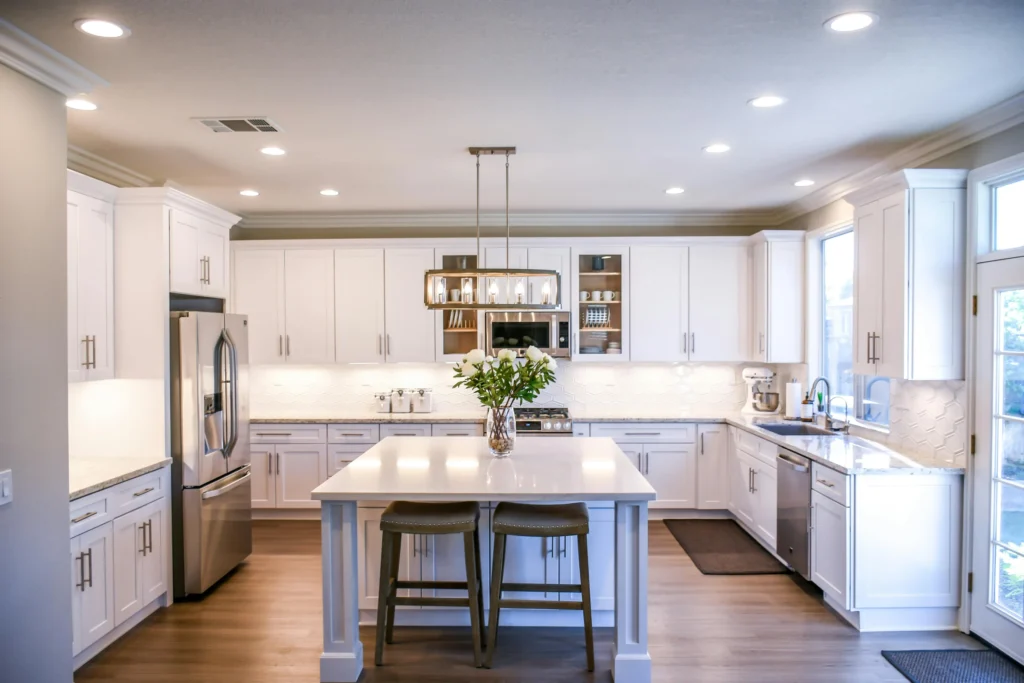
To put the numbers into context, here are three realistic scenarios commonly seen in Australian homes:
-
DIY flat-pack island:
Laminate top, no services, self-assembled
Approx. $1,200–$1,500 -
Mid-range family island:
2.4m long, engineered stone, seating, power points
Approx. $5,000–$8,000 -
Premium custom island:
2-pack cabinetry, waterfall stone edges, sink, dishwasher
$15,000–$25,000+
The jump between tiers isn’t linear—it’s exponential. That’s why clarity around priorities is critical early on.
How to Control Your Kitchen Island Cost Before You Get Quotes
Preparation is the most effective cost-control tool available to homeowners. Before requesting quotes, make sure you’ve locked in the following:
-
Clear measurements and walkways (minimum 1m clearance)
-
Primary function: prep, seating, storage, or all three
-
Preferred benchtop category
-
Decision on plumbing and electrical inclusions
-
Request itemised quotes separating materials and labour
RJG Group consistently sees smoother projects—and fewer disputes—when homeowners insist on this level of detail from the start.
Final Thoughts
A kitchen island isn’t a single expense—it’s a collection of design, material, and trade decisions working together. Once you understand how those decisions affect pricing, the process becomes far less intimidating and far more controllable.

If you’re planning a kitchen upgrade and want transparent advice, realistic pricing, and professional coordination, contact us at RJG Group. We’re ready to help you plan a kitchen island that fits your space, your lifestyle, and your budget—without guesswork.





 Defining Modern Excellence with Integrity


