
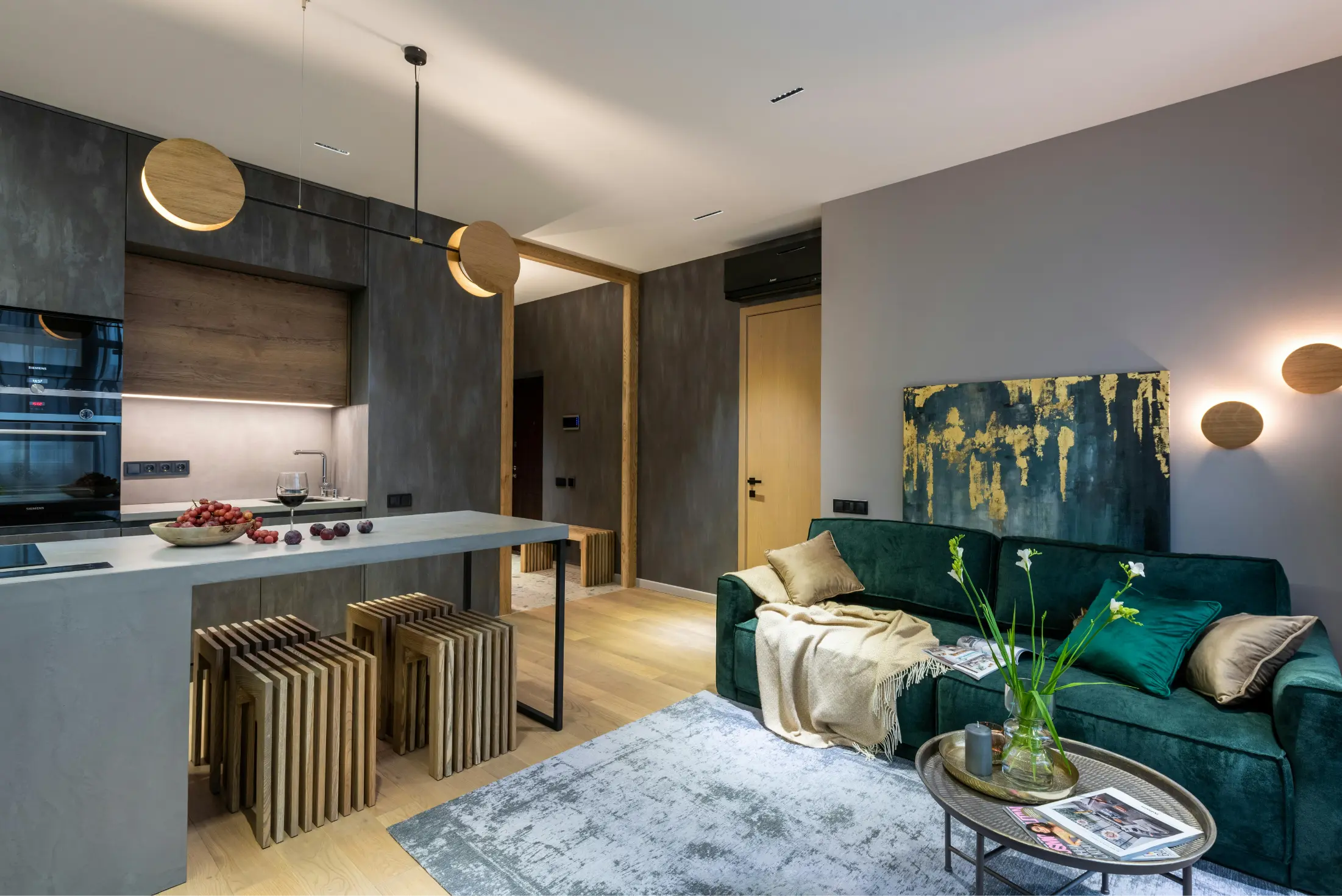
Is your dining table also your home office? Does your living room floor double as a yoga studio or play area? In many Australian homes, rooms are doing more than ever before—and without a clear plan, that flexibility can quickly turn into frustration. Learning how to design a multifunctional living space isn’t about buying a particular look or trend; it’s about creating a home that adapts to real life, day by day.
Multifunctional design is a mindset used by architects, builders, and interior designers to make spaces work harder without feeling cluttered or chaotic. By combining smart furniture choices, clear zoning, and thoughtful layouts, you can transform the rooms you already have into flexible spaces that support work, rest, and social time. Renovation professionals, including teams at RJG Group, regularly apply these principles when helping homeowners unlock the full potential of their homes—especially where space is limited.
How to Design a Multifunctional Living Space with Smarter Furniture
Furniture is the fastest and most cost-effective place to start. In a multifunctional home, single-purpose furniture wastes space and limits flexibility.
How to Design a Multifunctional Living Space Using Double-Duty Pieces
Instead of asking “Does this look good?”, ask “What else can this do?”
Some high-impact swaps include:
-
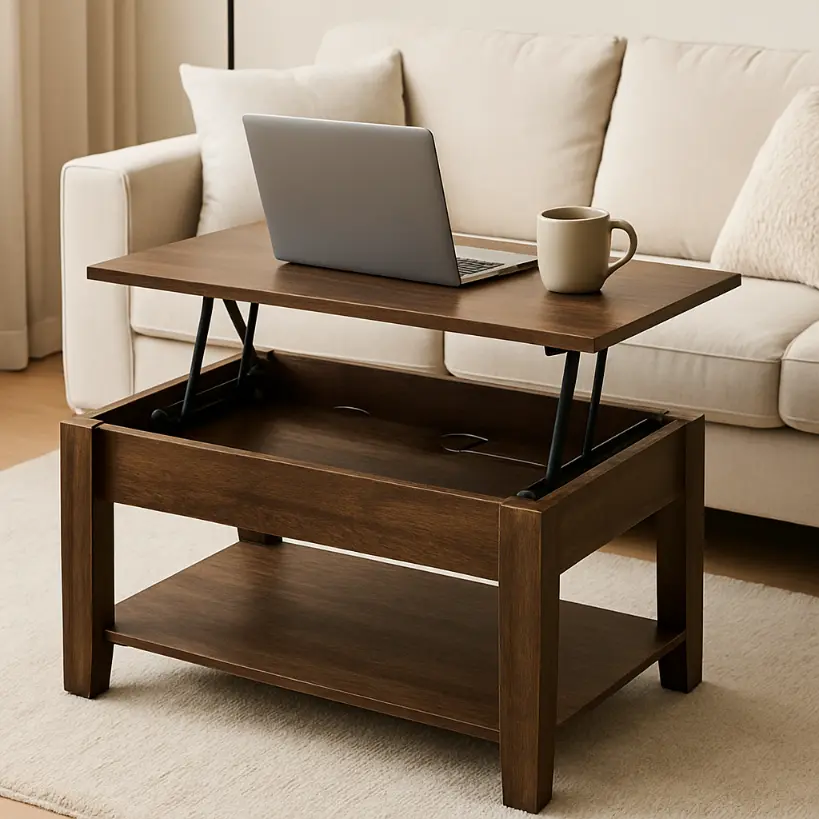
Lift-top coffee tables that convert into work desks or dining surfaces
-
Storage ottomans that function as seating, footrests, and clutter control
-
Extendable dining tables that shrink for daily use and expand for guests
-
Daybeds or sofa beds that turn living rooms into guest-ready spaces
These pieces reduce the total amount of furniture you need while increasing functionality. Builders aligned with guidance from the master builders association often recommend multifunctional furniture as a first step before considering structural changes.
RJG Group frequently sees homeowners regain valuable floor space simply by replacing two single-use items with one well-designed alternative.
How to Design a Multifunctional Living Space with Zoning Techniques
Even the best furniture won’t help if your space feels visually messy. That’s where zoning comes in—a design strategy that creates “invisible rooms” within one open area.
How to Design a Multifunctional Living Space with Invisible Zones
Zoning doesn’t require walls. Instead, it uses visual cues to separate activities:
-
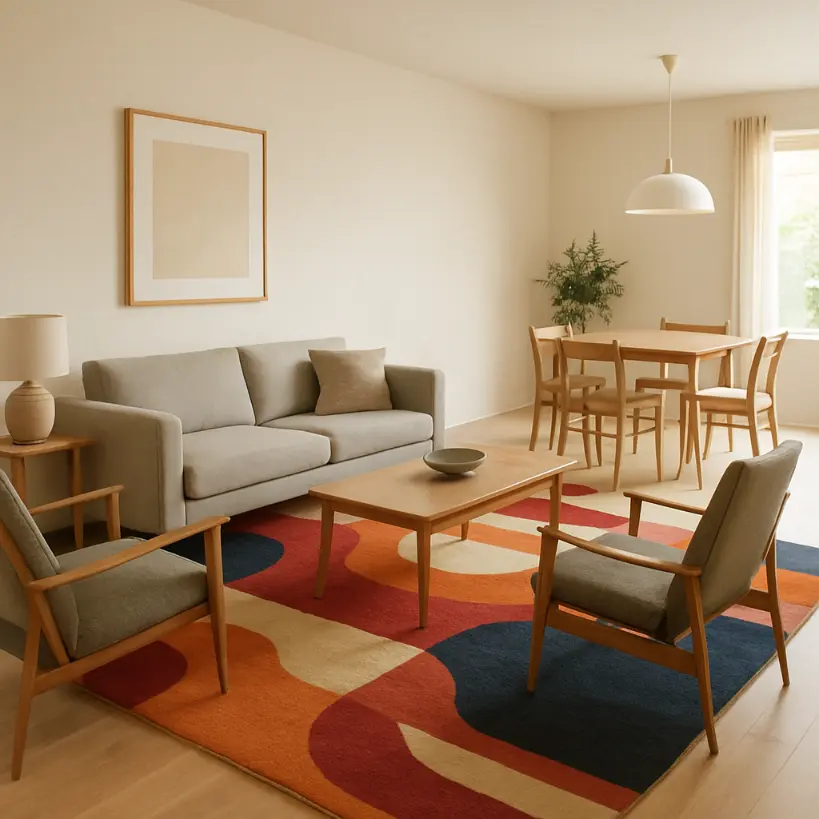
Rugs to define living, dining, or work areas
-
Furniture placement to subtly divide functions
-
Lighting to signal different moods and purposes
-
Open shelving or screens as partial dividers
For example, in an open-plan living and dining area, a rug under the sofa instantly establishes a relaxation zone. A bookshelf behind a desk can create a home office nook without blocking light or airflow. These techniques are commonly used in Australian apartments and townhouses where space must serve multiple roles.
When RJG Group plans renovations, zoning is often mapped early to ensure new layouts support daily routines, not just aesthetics.
How to Design a Multifunctional Living Space by Using Vertical Space
Once your zones are defined, the next step is to reclaim floor space by thinking vertically. Walls are one of the most underused assets in Australian homes.
How to Design a Multifunctional Living Space by Thinking Upward
Moving storage and functions off the floor instantly makes a room feel larger and calmer. Consider:
-
Floating shelves for books, décor, and plants
-
Wall-mounted desks that fold away after work hours
-
Tall, narrow storage units instead of low, wide cabinets
-
Wall hooks or rails for bags, headphones, and accessories
Vertical design not only improves storage but also draws the eye upward, creating the illusion of higher ceilings. This approach is especially effective in apartments, older homes, and compact renovations—areas where RJG Group often helps clients maximise space without expanding the footprint.
A Practical Example: Home Office That Becomes a Guest Room
One of the most common multifunctional challenges is combining a productive home office with a comfortable guest room. The solution lies in balance—not compromise.
Start with the anchor piece. A daybed works well when you want the room to feel like an office first, while a sofa bed suits spaces that need to function primarily as living areas. Place the desk in its own zone, ideally near natural light, and define it with a rug or shelving.
Use vertical storage above the desk to keep paperwork and equipment off surfaces. This keeps the room visually calm and allows it to transition quickly when guests arrive. Done well, the space won’t feel like two awkward rooms fighting each other—it will feel like one intelligent, adaptable room.
Professionals at RJG Group often design these dual-purpose rooms during renovations, ensuring power points, lighting, and storage are positioned correctly from the start.
Your 3-Step Plan to a More Functional Home
Designing a multifunctional living space doesn’t require a full renovation. Small, deliberate changes can have a huge impact.
Start here:
-
Assess one room: List the top three activities it must support
-
Replace one item: Swap a single-use piece for multifunctional furniture
-
Create one zone: Use a rug, shelf, or lighting to define purpose
Over time, these small changes compound into a home that feels calmer, more organised, and far more usable.

If you’re considering a renovation or want expert guidance on layouts that truly support modern Australian living, contact us at RJG Group. We help homeowners turn everyday spaces into flexible, future-ready homes that work as hard as they do.





 Defining Modern Excellence with Integrity


